
Classical Music needs to stop being in thrall to a dead ‘star’ system
A few months ago I was introduced to Face the Music - a classical music quiz that was so popular that it ran for 127 episodes in the 70’s and early 80’s, to an audience of 4 million - even being moved from BBC2 to BBC1 on account of its popularity.
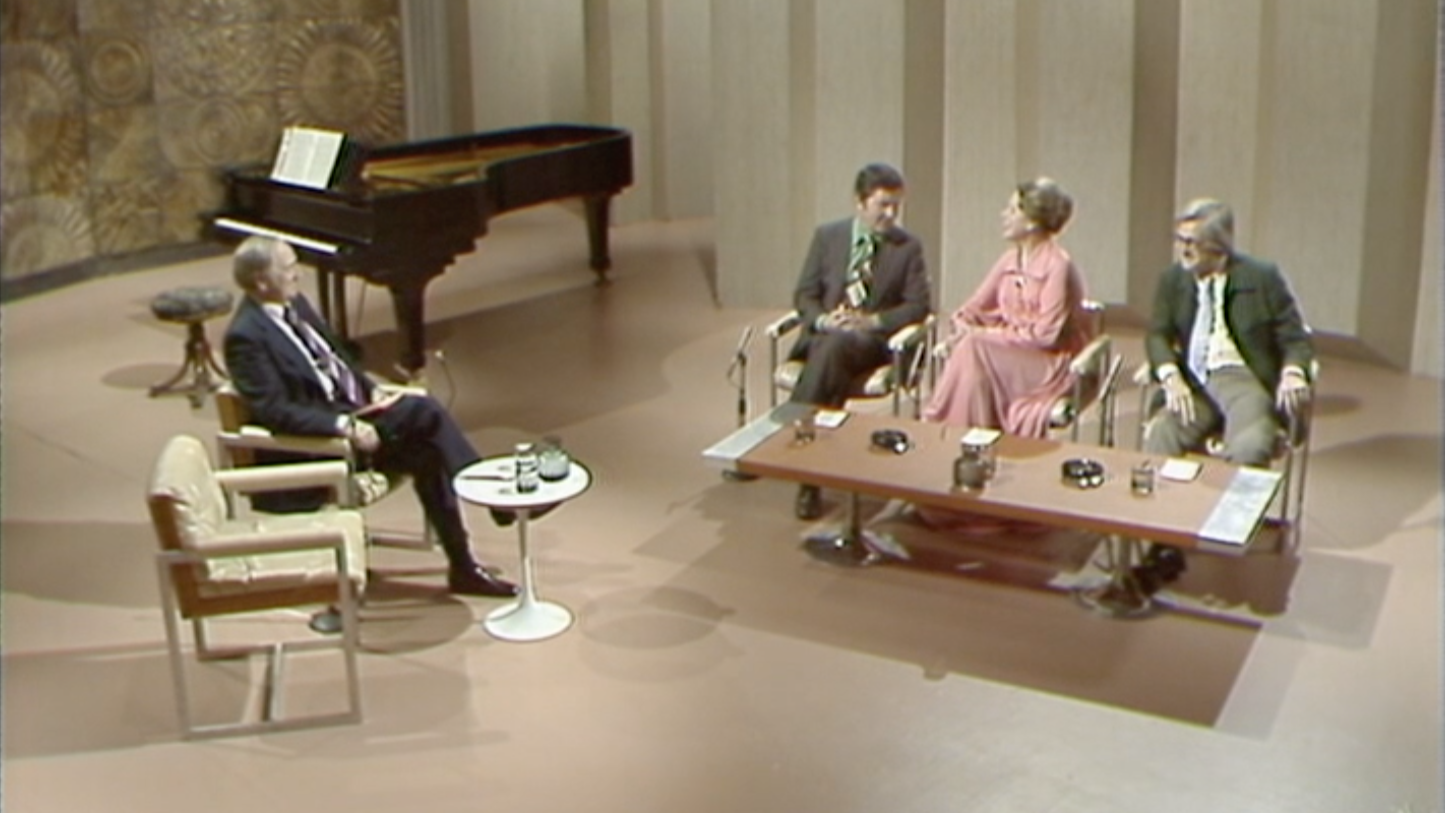
Face The Music
It seems incredible now that a show (currently on iplayer if you’re curious) which traded on extremely detailed knowledge of classical music repertoire and artists was shown on prime time TV. The questions were so hard that between the 4 of us watching, 3 of whom actually work in classical music, I’d say we barely got 50% of questions right. While we were struggling, the panel were throwing about opus numbers, identifying artists just from audio recordings, and debating the keys of works with glee.
All this to say, classical music was a far more mainstream pursuit at that time - its stars were household names - demonstrated by the likes of André Previn guesting on huge shows like Morecambe and Wise.
When I first started work in classical music, the vestiges of classical artists being household names were still there - artists like Rostropovich, Haitink and Perlman were frequent guests of the London Philharmonic Orchestra, would sell out the Festival Hall easily and create so much demand that we’d have ticket touts outside - something which I’ve not seen for many years now.
But they were very much the last of their generation, today there are very, very few artists that have any name recognition with the general public, or even the casual concert going public. And there’s just much less general knowledge of music about. At a London Philharmonic Orchestra (LPO) concert in the autumn their CEO, in his acknowledgement of their Patron’s 45 year stint, named a raft of Principal Conductors the Duke of Kent had witnessed - Haitink, Masur, Jurowski, now Gardner. And I’d bet that 90% of the audience, most of whom were there for the Enigma Variations above all else, knew none of the names. Indeed when I worked for the LPO many years ago, post show surveying revealed that many people couldn’t even name the orchestra they’d just watched!
This is not just a classical music problem. A few years ago dance company Rambert were working on a new marketing strategy which aimed to lead with their brand, rather than inviting people to see work by X, Y or Z choreographer. As part of the research for this they conducted a YouGov poll to establish the relative public name recognition of major choreographers - and benchmarked this against what those on the inside of the company estimated. One example saw company members estimate that a particularly well established and respected choreographer had name recognition of around 40% amongst the public. The reality, however, was that it was less than 1%.
We are in exactly the same position in classical music. Despite every piece of audience research I’ve ever been involved with for the last 20 plus years highlighting that repertoire is the single biggest driver of bookers*, our industry insists on putting the names and pictures of artists almost no-one has heard of front and centre of our communications. So often major orchestras market their concerts as Principal Conductor Joe Blogs conducts X. But I’d argue that none of the symphony orchestras in London has a Principal Conductor with much name recognition beyond the classical cognoscenti, (a cognoscenti that isn’t big enough to regularly fill halls), let alone the public that might be passing a tube poster or reading a print or digital ad.
Now of course there are still a handful of names that will sell tickets - Simon Rattle and Nicola Benedetti spring to mind…but a ‘famous’ conductor will never be enough to sell unpopular repertoire (memories of 2 nights of Schumann symphonies with Simon Rattle and the Orchestra of the Age of Enlightenment come flooding back) whereas popular repertoire with a conductor no one has ever heard of, sold on the strength of the repertoire, will do absolutely fine - witness all the commercial performances of Carmina Burana or Beethoven 9.
Sometimes I do wonder if I’m going a bit mad, and I do a sense check when a client wants to put the name of an artist up in lights. In the past year I’ve asked a range of my orchestral management friends whether they’ve heard of an artist when I doubt myself. Time and time again even people in the business have never heard of an artist that a client is putting front and centre of their campaigns.
Why is this? Why did we persist in doing this even though all the evidence and data says that it’s completely the wrong strategy? Partly, I think it’s because those doing the programming know the artists well, think they’re brilliant and it feels obvious to them that you lead with the conductor and ‘star’ soloist - and often a marketer doesn’t want to tell them that the person they’ve spent years courting and are paying a hefty fee to (often out of all whack with their actual commercial appeal) will likely make zero difference to sales. Even I find it hard telling clients this.
Secondly I don’t think that as an industry we’re very good at questioning ourselves - we get on with the same campaigns year in year out, and follow the accepted way of doing things just because that’s easiest and that’s the way it’s always been done. And when a CEO gets on your back as a marketer to ask why the conductor’s name isn’t all over the publicity sometimes it’s just easiest to put it there rather than argue it out.
Thirdly, disciplines like dance or classical music are both niche activities and require years of dedication and training to perform in, so it’s no wonder that many artists and programmers end up with a bit of an unbalanced perspective on such things. But it is our job as marketers and arts leaders to insert a bit of real-word insight.
This last point does bug me though. The dedication that comes with becoming an elite musician or top manager does seem to lead to insularity, particularly within classical music. Our industry is full of insiders, people like us, often unable to relate to audiences outside of our world. That’s both a problem and a subject for another blog…
*This is for orchestral concerts - I recognise that in smaller festival or chamber music environments sometimes the artists do have more impact on sales.